 Skip to content

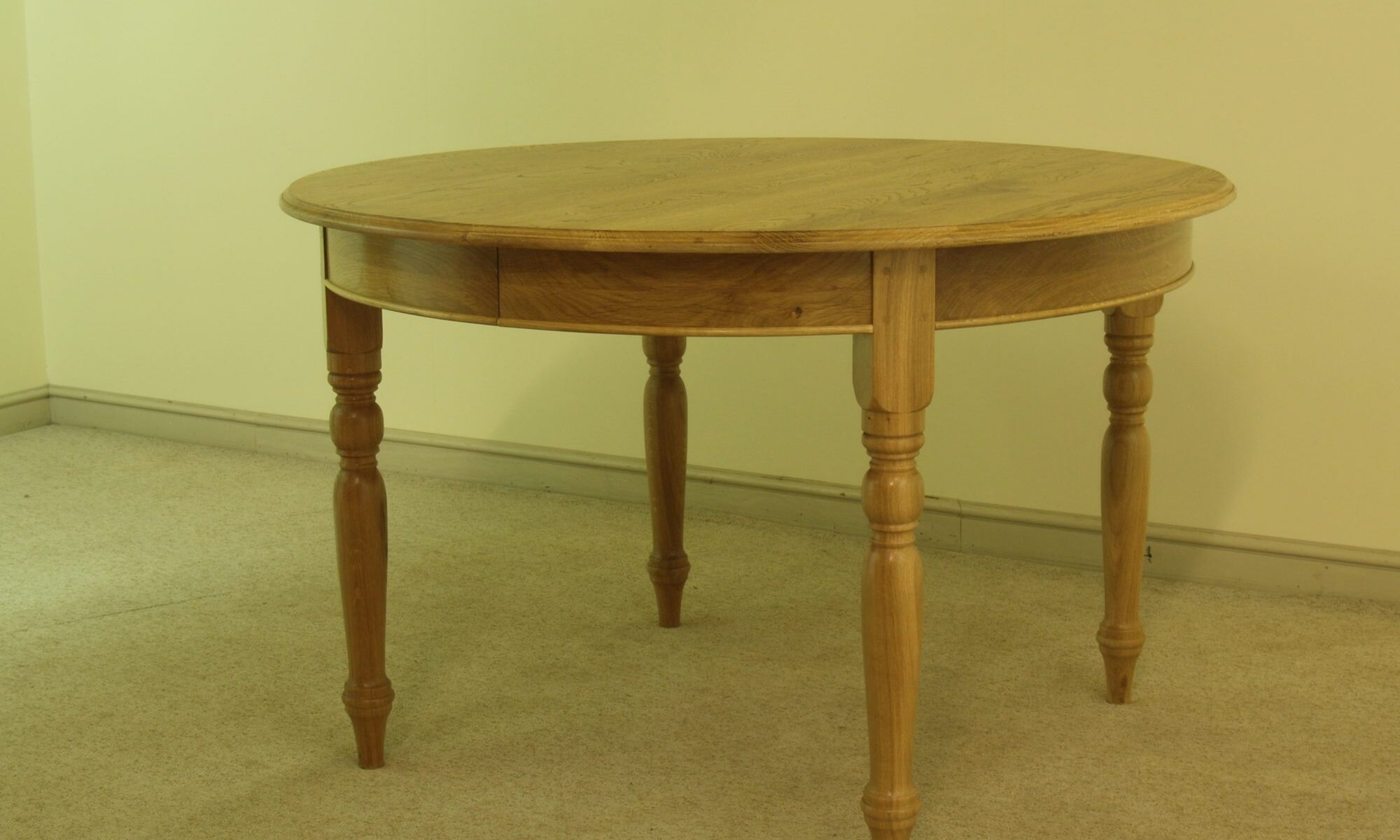
Commissioning a piece of furniture is unfamiliar to most people, and the uncertainty puts them off more than the cost does. This is what happens, in order, so you know what to expect and when you will be asked to decide something.
1. The conversation
Tell us the piece, the room and roughly what you have in mind to spend. The budget is not a negotiating position — it decides which timber and which level of detail we draw, and getting it wrong wastes everybody’s time.
If you are matching existing furniture, say so now rather than later. It changes which timber we recommend, which boards we select and how the finish is built.
2. The drawing
We draw the piece in CAD and send it to you with a firm price. This is where changes are cheap — moving a drawer, changing a moulding or altering a height at this stage costs nothing.
Read it properly. Check the dimensions against the room rather than against your expectations, and check where the legs are, because that is what decides where people can sit or stand.
3. Timber and finish
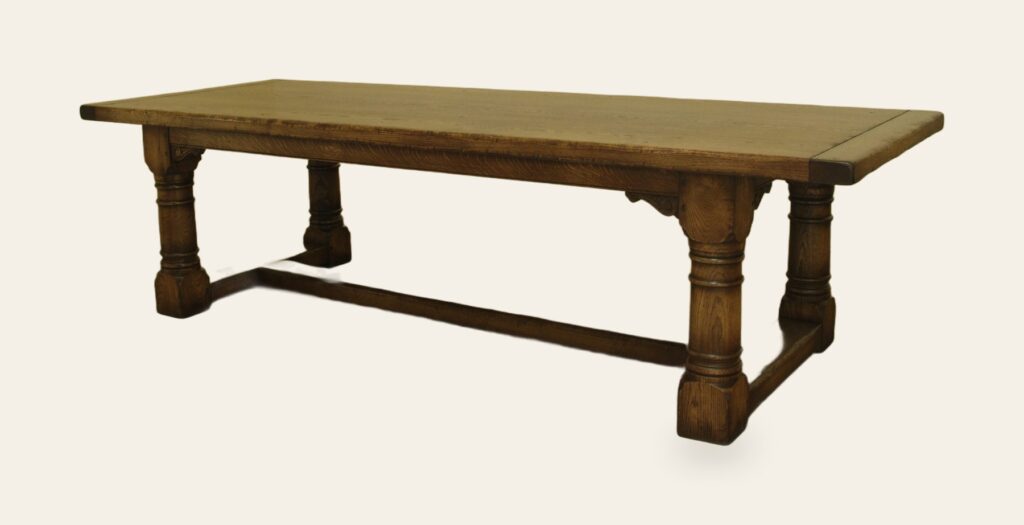
Once the drawing is agreed you choose timber and finish. If you have not already, this is the point to get samples — put them in the room, look at them in daylight and under the lamp you actually use, and take a few days over it.
Colour is a separate decision from timber. Our standard range is Light, Medium and Dark on any of the oaks, plus Mahogany and Walnut on those timbers, and we colour-match to anything you give us if none of the five is right.
4. The deposit and the date
A deposit confirms the commission and books the slot. Your delivery date is confirmed at this point, not before. Normally twelve weeks; up to sixteen when the workshop is busy. A genuine one-off usually adds about four.
5. Setting out
Before anything is cut, the piece is drawn again — this time at full size, as a rod on a board. Every joint, every thickness and every curve is laid out at actual size.
This is the step that separates furniture from carpentry, and it is where errors are caught. A mistake found on the rod costs a pencil line. The same mistake found in machined timber costs a week.
6. Timber selection
Boards are chosen for the specific piece — for grain, colour and where each one will sit. On a table top this is the decision that most affects how the finished piece looks, and it is made by eye at the rack, not from a stock list.
7. Making
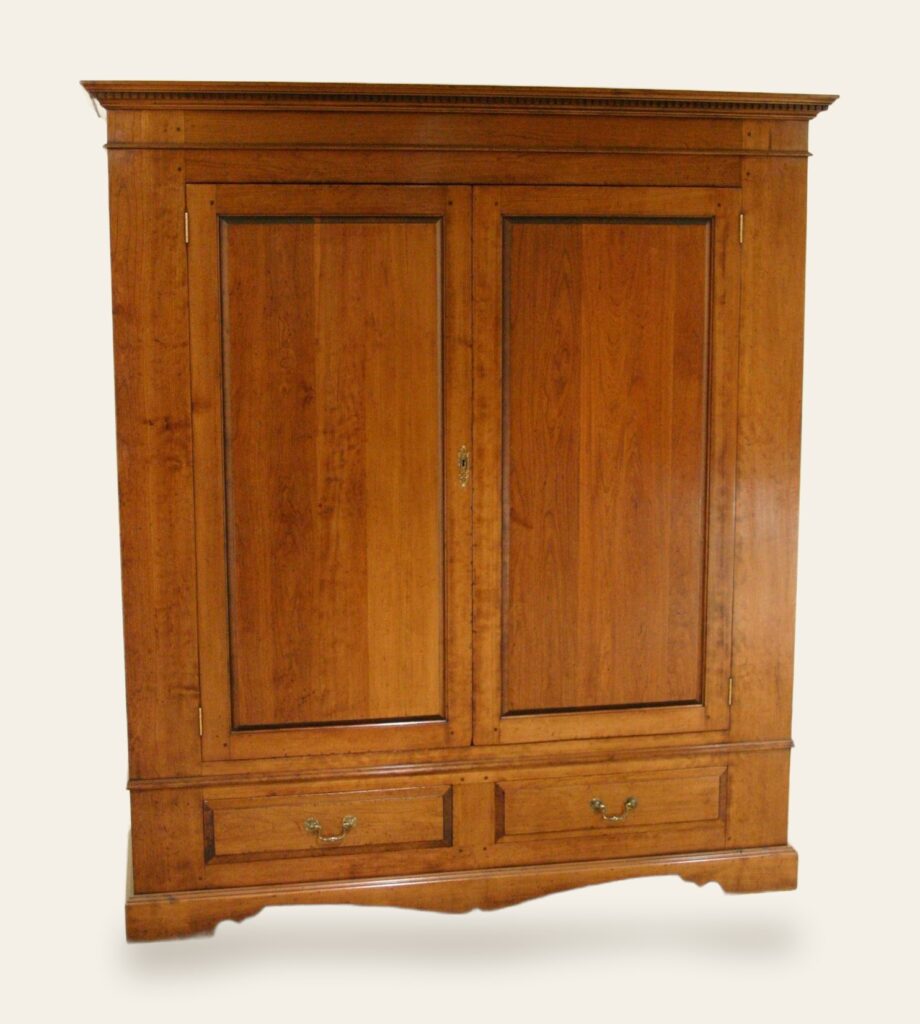
Cutting, machining, jointing and assembly. This is the longest part and the part you hear least about. We are happy for you to visit and see it on the bench; ring first so the piece is at a stage worth looking at.
8. Finishing
Done in our own shop, by our own polishers, which is why we can match a colour and why we can put it right in ten years. Painted pieces are hand-painted; polished pieces are built up in coats and cut back between them.
The finish takes longer than people expect. It is not the last afternoon — it is the last two weeks.
9. Delivery
We deliver and place the piece ourselves rather than sending it by carrier. It comes into the room, is set where you want it and is checked over with you there.
Let it stand a day before you load it, particularly in winter — a piece coming from a workshop into a heated room wants time to settle.
10. Afterwards
We keep a record of the timber, the finish and the colour, so a repair or an addition years later can be matched without guesswork. There is a piece on looking after solid timber furniture covering the sensible basics.
To start: ring the workshop on 01449 710500, tell us about the room, or order samples first if you would rather see the material before you speak to anybody.